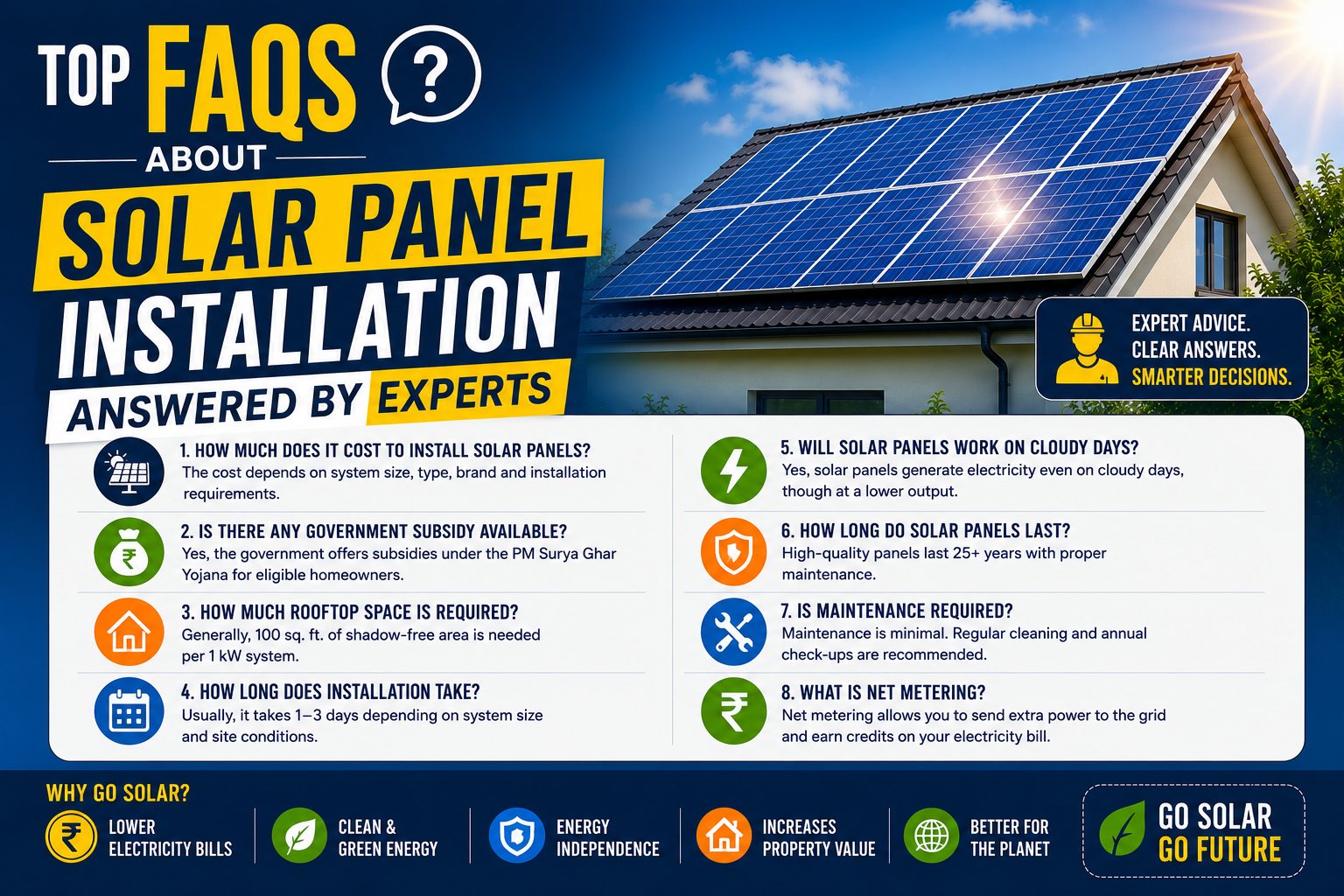
Top FAQs About Solar Panel Installation Answered by Experts Solar energy has become one of the fastest-growing sources of renewable...
High-quality solar solutions for homes, Business and a greener tomorrow
High-quality solar solutions for homes, Business and a greener tomorrow
Stay informed with valuable articles, updates, and practical advice from experts
We are passionate about transforming the way we power our world. As a leading provider of renewable energy solutions, we are committed to driving the transition to a cleaner, more sustainable future.
Book Your Appointment Today
Book Your Appointment Today
Stay informed with valuable articles, updates, and practical advice from experts
Top FAQs About Solar Panel Installation Answered by Experts Solar energy has become one of the fastest-growing sources of renewable...
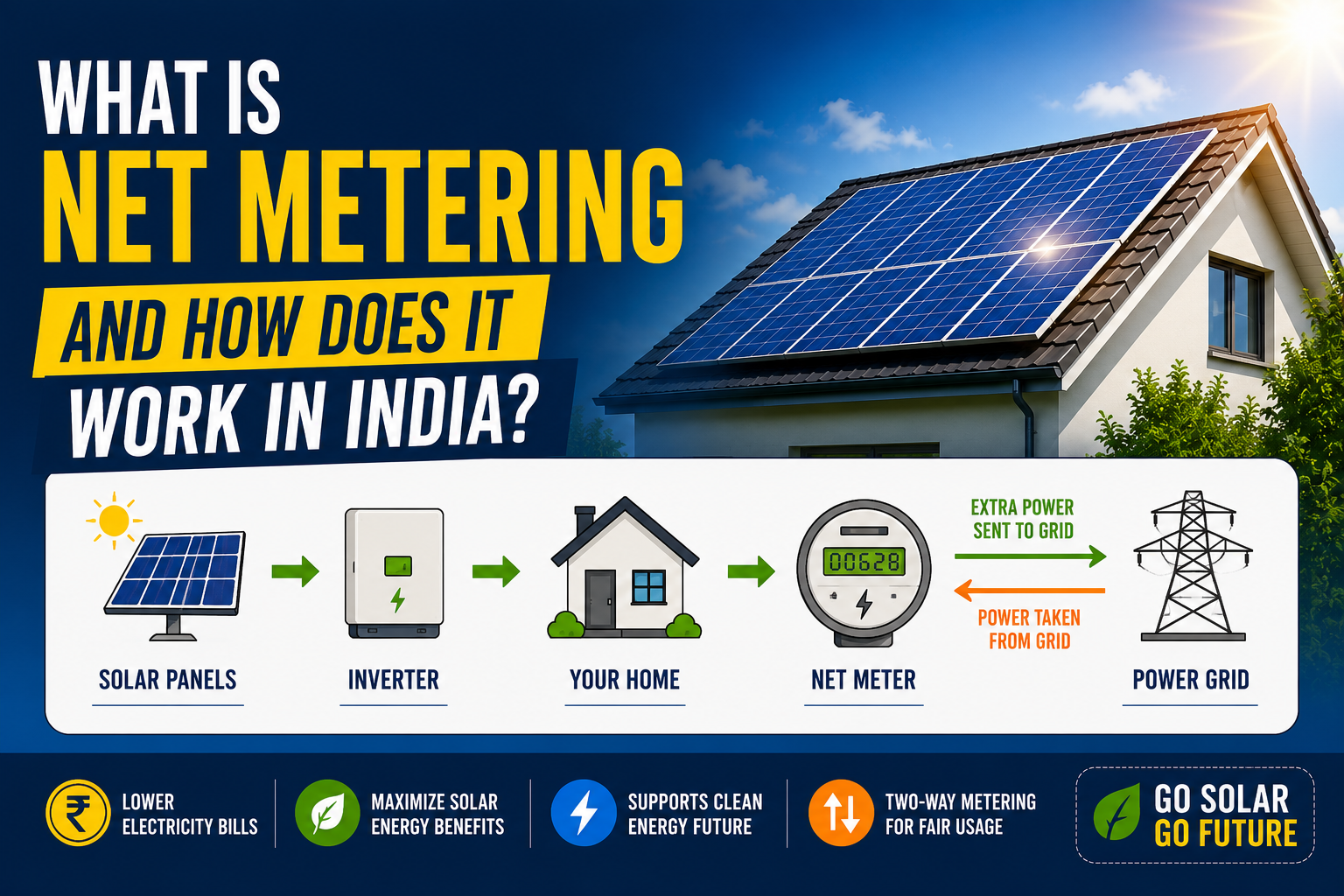
What Is Net Metering and How Does It Work in India? One of the biggest advantages of installing a rooftop...
Complete Solar Panel Maintenance Checklist for Homeowners Installing a solar panel system is one of the smartest long-term investments for...
Providing exceptional service, superior quality, and maximum efficiency
Everything you need to know before getting started with confidence
A Feed-in Tariff (FiT) is a policy that allows solar system owners to earn credits or payments for the excess electricity they generate and export to the utility grid. While traditional Feed-in Tariff programs have been replaced in many parts of India by net metering or gross metering, the concept remains the same—your solar system produces electricity, and any surplus energy is sent to the grid. Depending on your local electricity distribution company (DISCOM) and applicable regulations, you may receive bill credits or financial compensation. Feed-in mechanisms improve the return on investment of rooftop solar by ensuring that excess energy generated during the day is not wasted
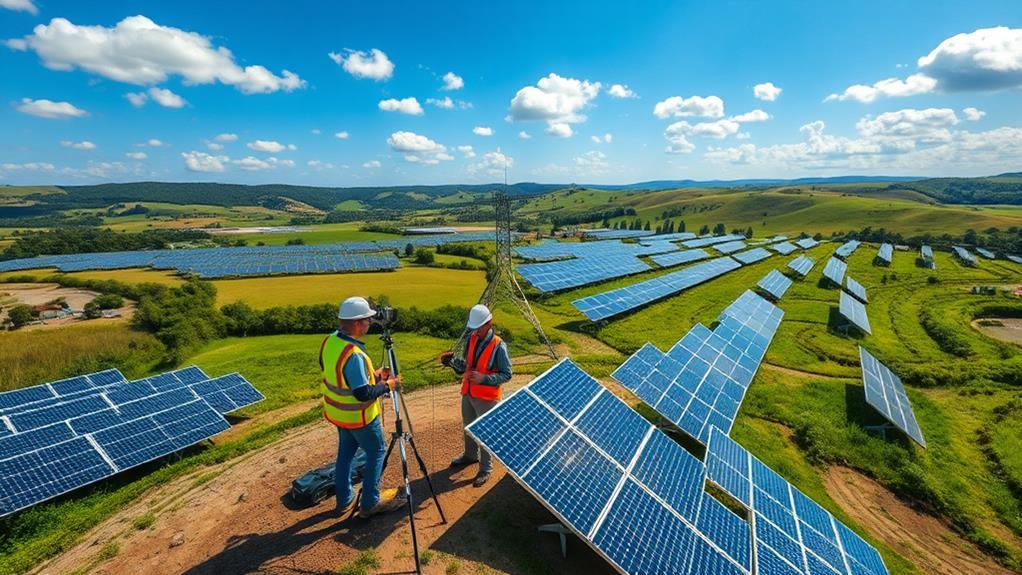
The rooftop area required depends on the capacity of the solar system and the efficiency of the solar panels. On average, a 1 kW solar system requires approximately 80–100 square feet of shadow-free roof space. For example, a 3 kW system typically needs about 250–300 square feet, while a 5 kW system requires around 400–500 square feet. The roof should receive at least five to six hours of direct sunlight daily and be structurally strong enough to support the panels. Our experts conduct a detailed site survey to determine the most suitable system size and layout for your property.
Yes, in many cases your existing UPS and battery backup can work with a solar system, but compatibility depends on the type of inverter you currently use. A standard UPS is designed primarily to provide backup during power failures and may not directly integrate with solar panels. A hybrid solar inverter is generally recommended because it intelligently manages power from solar panels, batteries, the utility grid, and your home’s electrical load. Our technical team can inspect your existing setup and recommend whether your current UPS can be integrated or if an upgrade would improve efficiency and performance
An on-grid solar system is the best choice for homes, businesses, schools, and industries that have a reliable electricity connection and mainly want to reduce their electricity bills. Since on-grid systems do not require batteries, they are more affordable, require less maintenance, and provide higher efficiency. Excess electricity generated during the day is exported to the grid through net metering, earning credits on your electricity bill. If your area experiences only occasional power outages and your primary goal is long-term savings and maximum return on investment, an on-grid system is usually the most practical and cost-effective solution
Yes. To continue using solar electricity during a power outage, you need either a hybrid solar system or an off-grid solar system equipped with battery storage. Standard on-grid solar systems automatically shut down during power failures for safety reasons and cannot supply electricity until grid power returns. Hybrid systems store excess solar energy in batteries, allowing essential appliances such as lights, fans, refrigerators, Wi-Fi routers, and computers to continue operating during outages. The amount of backup available depends on the battery capacity and your electricity usage, making hybrid systems ideal for areas with frequent power cuts.
Most rooftop solar systems installed today are on-grid systems. During a power outage, these systems automatically disconnect from the utility grid through a built-in safety feature called anti-islanding protection. This prevents electricity from flowing back into the grid while utility workers may be repairing power lines, protecting their safety. Although the sun is still shining and the panels continue producing electricity, the inverter intentionally shuts down until grid power is restored. If uninterrupted power during outages is important, installing a hybrid inverter with battery backup allows solar energy to continue powering selected household loads safely
The primary disadvantage of a battery-free grid-connected solar system is that it cannot provide electricity during a power outage. Even if your solar panels are generating sufficient power, the inverter shuts down automatically when the utility grid fails. As a result, you cannot use solar energy until electricity is restored. Additionally, battery-free systems cannot store excess solar energy for nighttime use, relying instead on net metering or grid supply. However, these systems are less expensive, require minimal maintenance, and offer excellent financial returns for locations with stable grid electricity and infrequent power interruptions
Eligibility for a grid-connected solar system depends on your local electricity distribution company (DISCOM), the type of electricity connection you have, and the applicable state regulations. Most residential, commercial, and industrial properties with a legal electricity connection can install rooftop solar under net metering or gross metering policies. Your rooftop should also have adequate sunlight exposure and sufficient structural strength. Our team assists customers by evaluating site conditions, reviewing electricity bills, checking DISCOM requirements, and handling the complete approval process, ensuring a smooth installation and grid connection experience
A grid-connected solar system offers several significant benefits over an off-grid system. Since electricity can be imported from or exported to the utility grid, there is no need for large battery banks, reducing installation costs and maintenance requirements. Net metering allows excess electricity generated during the day to offset your future electricity bills, increasing overall savings. Grid-connected systems are also more efficient because they avoid battery charging losses. For homes and businesses with reliable utility power, an on-grid system provides the best balance between affordability, energy savings, and long-term financial returns
There are several options depending on your energy requirements. An on-grid system is directly connected to the utility grid and is ideal for reducing electricity bills through net metering. A hybrid system combines solar panels, batteries, and the utility grid, providing backup during power outages while still allowing grid interaction. An off-grid system operates independently without a utility connection and relies entirely on solar panels and batteries. The best choice depends on your electricity consumption, budget, local power reliability, and backup requirements. Our experts can recommend the most suitable solution after evaluating your property.
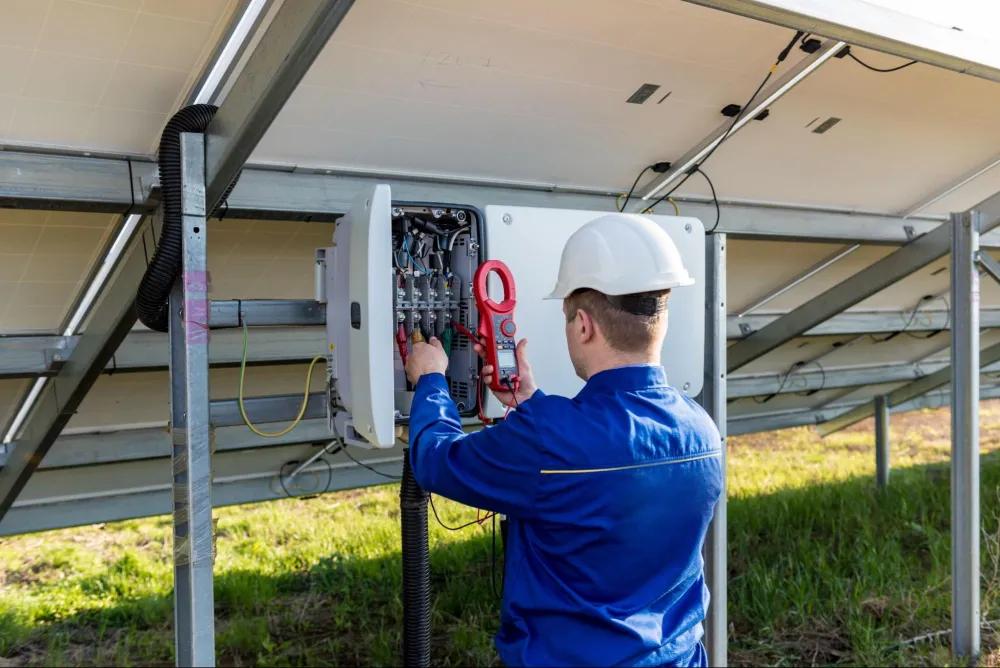
An on-grid inverter is the heart of a grid-connected solar system. It converts the direct current (DC) electricity produced by solar panels into alternating current (AC) electricity used by household appliances and the utility grid. The inverter continuously monitors solar production, synchronizes the output with the grid frequency and voltage, tracks maximum power generation through MPPT technology, and safely exports excess electricity to the grid. It also includes protection features such as anti-islanding, fault detection, and system monitoring. Modern inverters often provide real-time performance data through mobile apps or web portals
In electrical terms, load refers to any device or appliance that consumes electricity. This includes lights, ceiling fans, televisions, refrigerators, washing machines, air conditioners, computers, pumps, and industrial equipment. The total electrical load of your home or business determines how much power is needed at any given time. Before designing a solar system, engineers carefully calculate your connected load and daily energy consumption using your electricity bills and appliance usage patterns. This helps ensure the solar installation is properly sized to maximize energy production, efficiency, and long-term savings.
Posted on GoogleTrustindex verifies that the original source of the review is Google. Cctv installed in my Billiards club at best price in Btm LayoutPosted on GoogleTrustindex verifies that the original source of the review is Google. Best CCTV installation done by sharan and team Highly recommend for commercial cctv projects.Posted on GoogleTrustindex verifies that the original source of the review is Google. CCTV installation done in my cloud kitchen with best price and very good installation team on fast track mode thanks to Mr.Sharan and TeamPosted on GoogleTrustindex verifies that the original source of the review is Google. Lig 4 Surya City Chandapura Apartment CCTV successfully installed and served with best possibility we appreciate and recommend this team for large and trunky projects veey professional CCTV installationPosted on GoogleTrustindex verifies that the original source of the review is Google. Best CCTV installation in bommasandra industrial area the camera quality was extremely good and very reasonable price and promptly finished the work good team work.Posted on GoogleTrustindex verifies that the original source of the review is Google. Beasts cctv installation in btm layoutPosted on GoogleTrustindex verifies that the original source of the review is Google. CCTV installed professionally at reasonable price. Visibility and clarity is up to mark .Posted on GoogleTrustindex verifies that the original source of the review is Google. CCTV Training in RNS Ventures was completely practical, I learnt how to install all kinds of CCTV ip camera ah camera the Trainer gave us indepth knowledge of executing small to big projects overall all great experience in CCTV learning.Posted on GoogleTrustindex verifies that the original source of the review is Google. School CCTV system installation by RNS Ventures is planned and placed accordingly asper requirements with out any extra costing all the IP Camera with audio mic was very useful in class room for any reference their professional way of working was highly appreciated and recommend for any large sectors.Posted on GoogleTrustindex verifies that the original source of the review is Google. Excellent work done by RNS Ventures and Team with very reasonable price and planning of cctv position, highly recommended for professional cctv installation in BTM LayoutLoad moreVerified by TrustindexTrustindex verified badge is the Universal Symbol of Trust. Only the greatest companies can get the verified badge who has a review score above 4.5, based on customer reviews over the past 12 months. Read more